Portable fire equipment
Buying a fire extinguisher is not the same as being compliant
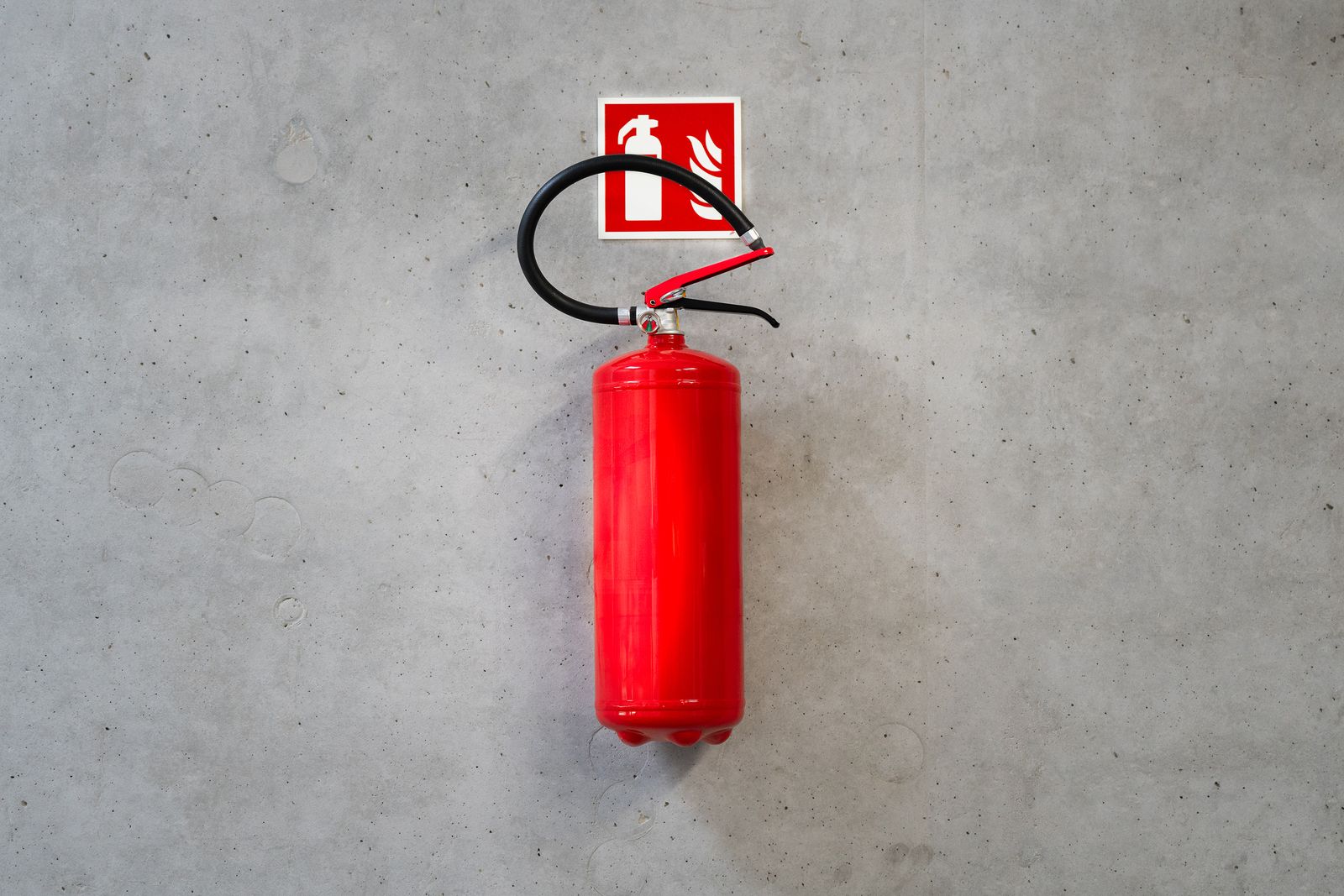
Photo by Jakub Zerdzicki via Pexels.
An extinguisher must suit the foreseeable fire, be correctly positioned, ready for use and maintained. Ordering a cylinder online only covers one part of that system.
Start with the fire risk assessment
The assessment should identify hazards, people at risk and suitable precautions. Water, foam, carbon dioxide, powder, wet-chemical and specialist extinguishers are not interchangeable.
Confirm quantity and siting
Coverage, travel distance, visibility and safe access all matter. Equipment should not encourage somebody to move towards danger or tackle a fire beyond the incipient stage.
Commission and record equipment
Confirm that each unit is correctly assembled, located and recorded. Keep product information and evidence of commissioning with the premises fire-safety records.
Carry out routine checks
Check that equipment remains present, accessible and apparently serviceable. Damage, discharge, missing pins, pressure concerns or obstruction should trigger action.
Arrange competent maintenance
Routine workplace checks are not the same as competent servicing. Maintenance arrangements should reflect the equipment, applicable standards and manufacturer's instructions.
Request equipment and placement advice